
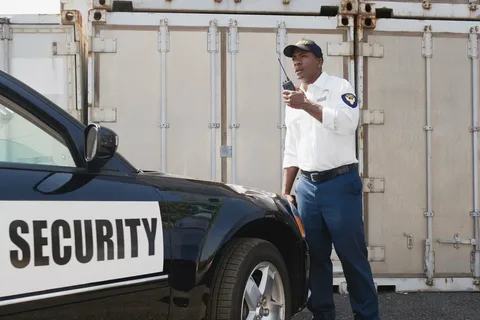
Reliable Vehicle Patrol Security Services in Waldorf MD
Commercial properties, residential communities, construction sites, and other facilities can face security concerns even when no incident is actively occurring. Reliable Vehicle Patrol Security Services provide a visible security presence across larger properties while allowing trained personnel to check multiple areas throughout a scheduled shift. Patrol planning can help identify unusual activity, unsecured access points, property damage, or conditions that require closer attention.
For businesses and property managers in Waldorf, MD, a patrol program should reflect the actual layout and operating schedule of the property. A warehouse may need loading docks checked after hours, while an office complex may require parking lot and entrance monitoring. Residential communities can have different priorities, including common areas, gates, and streets.
Stay Alert Security Services provides patrol and security solutions for commercial, residential, and specialized properties throughout Maryland and surrounding service areas. The most useful security plan starts with a clear understanding of property risks rather than using the same patrol routine everywhere.
This guide explains patrol planning, route design, visibility, reporting, access checks, and after-hours coverage so property owners can make informed security decisions.
Build Patrol Routes Around Property Risk Areas
A patrol vehicle can cover more ground than a stationary security position. However, effective patrol work still depends on knowing which locations deserve regular attention. Property size alone should not determine the route.
Security planning should begin with a review of entry points, parking areas, exterior boundaries, equipment zones, and locations that become less active after normal operating hours.
Identify Areas That Need Consistent Observation
Professional property patrol security should focus on practical vulnerabilities rather than driving through a property without a defined purpose.
Five areas commonly deserve review:
- Main and secondary entrances
- Parking lots and vehicle access points
- Loading docks or delivery areas
- Exterior doors and perimeter boundaries
- Low-visibility or isolated sections of the property
Patrol routes should also reflect how the site changes throughout the day. For example, a busy employee parking area may require less attention during business hours but become a priority after closing.
Likewise, lighting conditions, landscaping, fencing, and building placement can affect visibility. Guards should understand where blind spots or unauthorized access attempts may occur.
A thoughtful route creates consistent coverage while still allowing security personnel to respond when conditions change. The purpose is to maintain awareness throughout the property, not simply complete a repeated driving pattern.
How Vehicle Patrol Security Services Provide Flexible Coverage
Security risks do not always happen in the same location or at predictable times. Therefore, mobile patrols can help properties maintain a visible presence across multiple areas without keeping one guard at a single point throughout the entire shift.
This flexibility can be useful for properties with large footprints or several buildings.
Combine Scheduled Checks With Unpredictable Patrol Activity
Vehicle Patrol Security Services can include scheduled and random patrols based on property needs.
Five useful patrol considerations include:
- Establishing priority checkpoints
- Varying some patrol times
- Monitoring entrances and exterior areas
- Recording unusual conditions
- Adjusting routes when risk levels change
Random patrol services can make security routines less predictable. However, randomization should not replace essential scheduled checks. Critical doors, gates, equipment areas, or other high-priority locations may still require consistent inspection.
A strong program combines structure with flexibility. Guards need clear responsibilities, but they should also have enough awareness to investigate something unusual outside the normal route.
Patrol frequency should depend on the property’s operating hours, activity level, size, and identified risks. A smaller commercial building may need a different schedule than a large industrial site or residential community.
Clear expectations help mobile patrols provide meaningful coverage instead of simply creating the appearance of security.
Use Visible Patrols as Part of a Layered Security Plan
A marked patrol presence can increase security visibility around a property. However, mobile patrols work best when they complement other reasonable security measures instead of acting as the only protective layer.
Lighting, access procedures, cameras, gates, alarms, and employee awareness can all contribute to a broader security strategy.
Connect Patrol Activity With Existing Security Measures
Professional mobile security patrols in Waldorf, MD can be planned around the way people, vehicles, employees, visitors, and contractors move through a site.
A coordinated plan may include:
- Checking doors after employees leave
- Reviewing parking areas during low-traffic periods
- Monitoring exterior equipment or storage
- Observing access gates
- Responding to reported concerns
Stay Alert Security Services can also consider patrol activity alongside access control and other on-site security needs.
For example, cameras may provide recorded visibility, while a patrol guard can physically inspect an area when something appears unusual. Likewise, access systems may control entry, while mobile personnel can check exterior sections that electronic systems do not fully cover.
Layered security does not mean adding every available measure. Instead, each component should have a clear purpose.
The strongest approach identifies actual vulnerabilities first and then assigns appropriate security measures to those risks.
Improve After-Hours Property Monitoring
Many properties operate differently at night, on weekends, or during holidays. Fewer employees and visitors may be present, while entrances, parking areas, equipment, or stored materials remain exposed.
For that reason, Trusted Vehicle Patrol Security Services can become especially useful during periods when normal staff presence decreases.
Adjust Patrol Priorities When the Property Is Less Active
Effective after-hours security patrols should focus on what changes after regular operations end.
Five practical checks may include:
- Verifying exterior doors
- Observing parked vehicles
- Inspecting perimeter areas
- Watching for unauthorized activity
- Reporting maintenance or safety concerns
A guard might notice a damaged fence, open door, broken light, or unusual vehicle during a routine patrol. Although these conditions are not always active security incidents, reporting them can help property managers address vulnerabilities before they become larger concerns.
Patrol schedules should also avoid becoming too predictable. At the same time, priority checkpoints should still receive dependable attention.
Clear communication matters when an issue appears. Guards should understand who needs to receive routine reports and who should be contacted when a situation requires immediate escalation.
After-hours security works best when patrol activity supports a documented response process rather than relying entirely on individual judgment.
Keep Patrol Reporting Clear and Useful
Security patrols create more value when property owners can understand what occurred during each shift. Reporting creates accountability and helps managers identify recurring problems over time.
A simple statement that a property was checked may not provide enough useful information.
Document Conditions That Affect Property Security
Professional security patrol guards should record relevant observations according to the agreed security plan.
Useful reporting may include:
- Patrol times and locations
- Unsecured doors or gates
- Suspicious activity
- Property damage
- Lighting or perimeter concerns
Reports should remain factual. Security personnel should describe what they observed without adding assumptions that cannot be verified.
For example, documenting that an exterior door was found open at a specific time is more useful than guessing why it happened. Likewise, vehicle descriptions or location details may become important if an incident requires further review.
Consistent reports can also reveal patterns. A gate that is repeatedly left unsecured may indicate an operational issue that property management should address.
Good reporting supports communication between security personnel and the people responsible for the property. It also helps determine whether patrol routes or coverage hours need adjustment.
Adapt Mobile Patrol Coverage as Property Needs Change
Security plans should not remain unchanged when the property itself changes. New tenants, construction work, operating hours, equipment, parking patterns, or access procedures can create different risks.
Regular review helps ensure patrol coverage remains relevant.
Reassess Routes, Timing, and Security Priorities
Professional after-hours security patrols in Upper Marlboro, MD should reflect current property conditions rather than relying permanently on the original patrol plan.
Property managers can periodically review:
- Recent incident reports
- Changes in operating hours
- New access points
- Construction or renovation activity
- Areas where repeated concerns occur
Expert Vehicle Patrol Security Services should also adapt when certain risks decrease. A temporary construction area, for instance, may need extra attention for several weeks but less monitoring once work ends.
Meanwhile, seasonal changes can affect security needs. Longer nighttime hours, holiday closures, special events, or changes in visitor traffic may require adjustments.
Reviewing patrol performance also gives managers an opportunity to clarify expectations. If one area consistently needs more attention, the patrol route can be modified.
Flexible security planning keeps resources focused on current conditions instead of continuing routines that no longer match the property.
Conclusion
Mobile patrol security can provide useful coverage for properties that need visibility across parking areas, exterior entrances, buildings, perimeters, or other spread-out locations. However, effective patrol work requires more than driving through a site at regular intervals.
Professional Vehicle Patrol Security Services should begin with a review of the property’s layout, operating hours, access points, and areas of concern. From there, patrol routes can combine dependable checkpoints with enough variation to avoid completely predictable routines.
Property owners should also think about how patrols fit with other security measures. Cameras, lighting, access control, alarms, and on-site procedures can work alongside mobile personnel to create broader coverage.
Reporting remains equally important. Clear records allow managers to understand what guards observed and identify conditions that require maintenance, operational changes, or closer security attention.
For properties in Waldorf and Upper Marlboro, patrol requirements can vary greatly between offices, residential communities, warehouses, construction locations, and other facilities. Therefore, security coverage should reflect each site’s actual risks.
Stay Alert Security Services can help property managers develop patrol strategies around those conditions. A well-organized program combines visibility, observation, communication, and flexible planning to support safer property operations.
FAQ’s
What do vehicle patrol security guards typically check?
Patrols may cover entrances, parking areas, exterior doors, gates, perimeter sections, equipment areas, and other locations identified in the security plan.
Are mobile patrols only useful at night?
No. Patrol coverage can operate during daytime, overnight, weekends, or other periods based on the property’s activity and security needs.
What is the difference between scheduled and random patrols?
Scheduled patrols follow planned checkpoints or times, while random patrols introduce timing variation that makes security activity less predictable.
Can vehicle patrols work with existing security cameras?
Yes. Mobile guards and surveillance systems can support different parts of a layered security strategy when they are planned around the property’s risks.
How often should a property patrol plan be reviewed?
Property managers should review coverage when operations, access points, incidents, tenants, construction activity, or other security conditions change.