
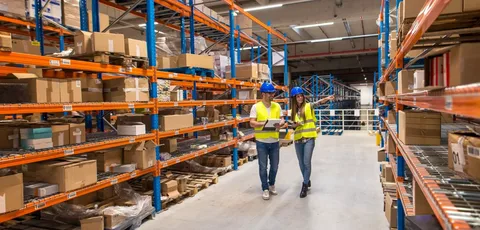
Trusted Warehouse Security Services in Brandywine, MD
Warehouses rarely have one simple security concern. A busy facility may have trucks arriving at loading docks, employees entering through different doors, vendors moving through shared areas, and valuable inventory stored across a large footprint. Professional Warehouse Security Services help facility managers create a more organized approach to access, observation, patrols, and incident response while supporting normal business activity.
The right security plan should reflect how the property actually operates. A distribution center running overnight has different risks from a smaller warehouse that closes each evening. Likewise, a building with outdoor storage, several delivery doors, or high-value equipment may need additional attention around specific zones instead of equal coverage everywhere.
Stay Alert Security Services provides security services for commercial, industrial, government, residential, and specialized properties. Its warehouse security work includes on-site guards, access monitoring, patrol services, and customized coverage based on facility needs.
A useful warehouse security strategy connects people, procedures, and property layout. Instead of relying on one guard position or one camera, managers can build protection around the locations and times where problems are most likely to develop.
Understand Where Warehouse Security Risks Actually Begin
Warehouse security problems often develop around movement. Employees, temporary workers, delivery drivers, vendors, contractors, and visitors may all have legitimate reasons to enter the property, but they do not necessarily need access to every area. When those movements are not clearly managed, inventory rooms, loading zones, offices, and equipment areas can become harder to control.
Map Access Points Before Adding More Security
A good site review should begin with entrances, exits, loading docks, pedestrian doors, vehicle gates, and interior restricted areas. Managers should also consider when each location is busiest and who normally uses it. This creates a practical picture of how people move through the facility rather than treating every door as the same level of risk.
Professional industrial warehouse security can then focus on the points that matter most. For example, a loading dock may need stronger observation during receiving hours, while an isolated side entrance may deserve additional attention after normal operations end. Employee parking and exterior storage areas can also require different patrol patterns.
This risk-based approach helps avoid unnecessary security coverage in low-priority areas while giving more attention to locations where theft, unauthorized access, or property damage could create larger operational problems.
Build Warehouse Security Services Around Daily Operations
Security should support warehouse operations rather than constantly interrupt them. Guards need clear procedures, but those procedures should also recognize that deliveries, shift changes, maintenance work, and inventory movement are normal parts of the facility.
Warehouse Security Services can combine guard coverage, access monitoring, patrols, and property observation. The strongest plan defines what security personnel should watch, what needs documentation, and when an issue should be escalated to management.
Give Guards Clear Post Orders
Detailed post orders help security personnel respond consistently. They can explain which doors should remain secured, who may enter restricted spaces, how deliveries are handled, and what information belongs in an incident report. Clear instructions reduce guesswork during busy periods and help different guards follow the same expectations.
Warehouse managers should also update these instructions when operations change. A new tenant, temporary construction project, seasonal inventory increase, or extended shift can create new security priorities. Therefore, security procedures should evolve with the facility rather than remaining unchanged for years.
Stay Alert Security Services describes warehouse coverage that includes controlled access, patrol activity, and guard monitoring. Those functions become more effective when they are tied directly to daily operating procedures instead of working as a separate system.
Protect Loading Docks Without Slowing Deliveries
Loading docks are among the most active parts of many warehouses. Trucks arrive, trailers remain open, drivers enter and leave, and products may stay temporarily exposed during loading or unloading. Because so many legitimate activities happen at once, unusual activity can be harder to notice.
Combine Observation With Practical Access Control
Effective loading dock security should help identify who is present without creating unnecessary delays for authorized drivers and employees. Security personnel can monitor delivery areas, observe vehicle movement, verify access where required, and report doors or gates that remain open outside normal procedures.
Timing also matters. A dock that feels controlled during a full daytime shift may become much more vulnerable during early mornings, late evenings, or weekends. Managers should review when valuable goods arrive, when trailers remain unattended, and when staffing levels are lower.
Patrol coverage can support fixed observation by checking nearby exterior areas, trailer parking, side entrances, and storage zones. When these responsibilities work together, security becomes part of the logistics environment rather than an obstacle to it.
Keep Inventory and Equipment Areas Under Better Control
Not every loss begins at the property perimeter. Warehouses can also face concerns involving internal access, misplaced inventory, unsecured tools, or employees entering areas outside their normal responsibilities. A well-designed plan therefore looks beyond exterior doors.
Separate General Access From Restricted Access
High-value inventory, tools, electronics, records, or specialized equipment may benefit from tighter access than general warehouse areas. Managers can decide which employees need regular entry and which visitors or contractors should remain accompanied.
Professional warehouse access control in Brandywine, MD can support those decisions by connecting guard procedures with badges, visitor logs, keys, gates, or other entry-management systems. The goal is not to make movement difficult. Instead, access rules should make it easier to understand who belongs in sensitive areas and who does not.
Inventory protection also improves when operational and security teams communicate. If valuable shipments arrive unexpectedly or a storage area changes use, guards should know. Information allows security personnel to focus observation where current business activity creates the greatest need.
Use Patrols to Cover the Parts Cameras May Miss
Surveillance cameras can provide valuable visibility, but they do not replace physical observation. A camera may show movement, yet a guard can check whether a gate is damaged, a door has been left unsecured, or a vehicle is parked where it does not belong.
Make Patrol Routes Purposeful
Professional warehouse security patrols in Millersville, MD should cover known risk areas instead of following the same route simply because it is familiar. Exterior walls, loading docks, employee parking, utility areas, fences, emergency exits, and equipment zones may all deserve attention depending on the property.
Patrol timing can also vary. Some checkpoints may need consistent scheduled inspection, while other rounds can occur at less predictable intervals. This balance helps ensure important areas are checked without making the entire security routine easy to anticipate.
Good patrol reporting adds another layer of value. Guards should document unusual conditions clearly, including damaged doors, lighting failures, open gates, suspicious vehicles, or repeated activity around restricted areas. Over time, these reports can help managers identify patterns that are not obvious from one incident alone.
Make After-Hours Security Different From Daytime Coverage
A warehouse can become a completely different environment after employees leave. Parking lots empty, loading activity stops, interior lighting changes, and fewer people remain available to notice unusual behavior. Security coverage should change with those conditions.
Focus on What Becomes More Vulnerable at Night
After-hours guards may spend more time checking perimeter doors, vehicle gates, trailer areas, exterior storage, and isolated sections of the facility. They may also verify that areas expected to be closed actually remain secure throughout the night.
Reliable Warehouse Security Services should also establish clear procedures for contractors, cleaners, maintenance workers, or late deliveries that arrive after regular operating hours. Guards need enough information to distinguish approved activity from something that requires verification.
Emergency response procedures are equally important. Security personnel should know who to contact for a broken gate, fire alarm, suspicious activity, medical emergency, or other event. Clear escalation procedures help guards act quickly without exceeding their role or delaying appropriate emergency assistance.
Conclusion
Warehouse security works best when it follows the way a facility actually operates. Inventory value matters, but so do employee movement, loading activity, parking areas, restricted rooms, exterior storage, business hours, and the number of access points throughout the property.
Trusted Warehouse Security Services can bring these concerns together through trained guards, controlled entry, purposeful patrols, clear reporting, and site-specific procedures. A smaller facility may need focused after-hours coverage, while a larger distribution center may require several security functions working together across different shifts.
Managers should review security whenever operations change. New employees, expanded storage, different delivery schedules, construction work, or higher-value inventory can all shift the property’s risk profile. Regular reviews help security coverage remain relevant instead of continuing routines that no longer match the facility.
Stay Alert Security Services provides warehouse and commercial security solutions designed around property layout and operational needs. A thoughtful security plan does not need to make a warehouse harder to operate. Instead, it should give managers better visibility, clearer control over access, and a structured way to respond when something unusual occurs.
FAQ’s
What do warehouse security guards usually monitor?
Warehouse guards may monitor entrances, loading docks, parking areas, restricted rooms, inventory zones, exterior boundaries, and other locations identified in the property’s security plan.
Can warehouse security operate only at night?
Yes. Some facilities use security mainly after business hours, while others need daytime, overnight, weekend, or continuous coverage based on operating schedules and risk.
How can security help protect warehouse inventory?
Security can support controlled access, patrol sensitive areas, observe loading activity, document unusual events, and help management maintain clearer oversight of restricted spaces.
Why are loading docks an important security area?
Loading docks involve frequent vehicle, employee, driver, and inventory movement. Clear procedures and active observation can help distinguish normal activity from unauthorized access or unusual behavior.
Should warehouse security plans change over time?
Yes. Changes in staffing, inventory, operating hours, deliveries, building layout, or previous incidents can create new priorities that should be reflected in the security plan.