
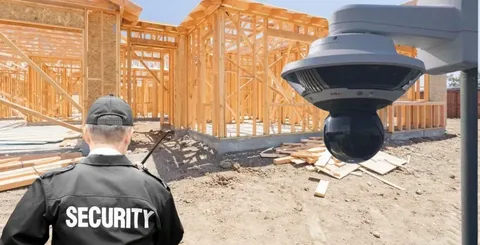
Professional Warehouse Security Services in Baltimore, MD
Warehouses bring valuable inventory, employees, contractors, delivery drivers, vehicles, and equipment into one active environment. With so many people and assets moving through a facility, weak access points or poorly monitored areas can create avoidable security concerns. Reliable Warehouse Security Services in Baltimore, MD focus on identifying these risks and building practical protection around the way a facility actually operates.
Stay Alert Security Services provides warehouse protection through professional guards, access oversight, patrol activity, and site-specific security planning. Warehouses in Baltimore and Salisbury may have different layouts and operating schedules, so security coverage should reflect the property rather than follow one standard plan.
A useful strategy considers entrances, loading docks, storage zones, parking areas, perimeter access, and after-hours activity together. Therefore, warehouse managers should begin by identifying where people, vehicles, and goods enter or leave the property. From there, guards, patrol routines, reporting procedures, and access measures can work as one coordinated system.
Identify Security Risks Across the Entire Warehouse
Warehouse security should begin with understanding how the facility operates throughout a normal day. A loading dock that stays busy during business hours may require a different security approach from an isolated storage area used only occasionally.
Managers should review both high-traffic areas and quieter sections of the property before deciding where security personnel or monitoring should be concentrated.
Find Weak Points Before They Become Larger Problems
A professional assessment should consider employee entrances, visitor access, trailer areas, loading docks, parking lots, perimeter gates, and interior storage zones.
Industrial warehouse security becomes more effective when the security plan reflects actual activity patterns. For example, an entrance used by employees may need credential checks, while a vehicle gate may require driver verification and delivery records.
Useful areas to review include:
- Loading and receiving zones
- Employee and contractor entrances
- Exterior gates and fencing
- High-value inventory areas
- Parking and vehicle storage
- Low-visibility sections of the property
Managers should also consider when each area is most vulnerable. A loading dock may be heavily supervised during the day but receive little attention overnight.
A risk-based approach helps businesses direct security resources toward areas where they can provide the most practical value.
Control Access Without Slowing Daily Operations
Warehouses need regular movement to remain productive. Employees start and finish shifts, contractors arrive for maintenance, and delivery drivers move through loading areas throughout the day.
Security procedures should control this traffic without creating unnecessary disruption.
Build Entry Procedures Around Different Visitor Types
Access monitoring services can help warehouse teams identify who enters restricted areas and why they are there. Visitors, employees, vendors, and drivers may each require different entry procedures.
Managers can improve access oversight by:
- Identifying authorized employee entrances
- Keeping visitor check-in procedures clear
- Confirming contractor access when needed
- Monitoring delivery and loading areas
- Restricting sensitive storage zones
The goal is not to make warehouse movement difficult. Instead, access procedures should provide accountability while supporting normal operations.
Clear policies also help guards respond consistently. When employees and contractors understand entry expectations, security personnel can focus more attention on unusual activity rather than resolving routine confusion at access points.
Use Security Guards Strategically in Baltimore Warehouses
A visible guard presence can support both deterrence and active observation. However, placing a guard at one entrance does not automatically protect an entire warehouse.
Professional Warehouse Security Services can combine guard presence with access control, patrol routines, and monitoring across important facility areas. The company’s warehouse service information specifically describes controlled access, routine patrols, loading-dock coverage, and monitoring of interior and perimeter areas.
Match Guard Duties to the Facility
Warehouse security guards should have clearly defined responsibilities based on the site’s actual risks.
A guard assignment may include:
- Observing entrances and exits
- Checking visitor or vehicle activity
- Monitoring loading areas
- Conducting scheduled patrols
- Documenting unusual incidents
- Communicating concerns to management
Baltimore warehouse managers should also consider shift changes and peak delivery periods. These times can create heavier traffic and make it harder to distinguish routine activity from unauthorized movement.
Meanwhile, overnight operations may require greater attention around perimeter areas, parked trailers, gates, and less active sections of the facility.
A defined post plan helps ensure guards understand where attention is most valuable during each part of the day.
Monitor Inventory and Loading Areas Carefully
Inventory movement creates one of the most important security challenges inside a warehouse. Products may move between receiving, storage, picking, staging, and shipping areas several times before leaving the property.
As a result, security should support accountability around these transitions.
Protect Areas Where Goods Change Hands
Inventory protection security in Baltimore, MD should focus on more than storage racks. Loading docks, staging areas, trailer zones, and restricted inventory sections may also deserve attention.
Managers can strengthen these areas by:
- Limiting unnecessary access to inventory zones
- Reviewing loading-dock activity
- Keeping shipping and receiving procedures consistent
- Monitoring unusual after-hours movement
- Maintaining clear incident records
Security personnel do not replace warehouse inventory systems or operational controls. However, they can add another layer of observation around physical movement.
For example, guards may notice an unfamiliar vehicle near a loading area or someone entering a restricted section without an obvious reason. Early observation gives management an opportunity to investigate before a situation develops further.
A strong security plan should therefore complement warehouse operations instead of operating separately from them.
Plan Patrol Coverage for Salisbury Warehouse Operations
Salisbury warehouse and storage facilities may have large exterior areas, multiple entrances, parking sections, or loading zones that cannot be observed from one fixed position.
Patrol planning helps extend security visibility across these spaces.
Combine Routine Checks With Unpredictable Movement
Warehouse security patrols in Glen Burnie, MD can include both scheduled and varied checks. Stay Alert Security Services describes scheduled and randomized patrols as part of its warehouse protection approach.
Patrol routes may cover:
- Perimeter fences and gates
- Exterior doors
- Loading docks
- Trailer parking areas
- Employee parking
- Interior storage sections
Salisbury businesses should adjust patrol priorities based on facility size, hours of operation, and the areas that require the most attention.
Randomizing some patrol timing can also reduce predictable gaps. However, consistency still matters. Security teams should document patrol activity and report unusual conditions so management can identify recurring concerns.
Patrols are most effective when guards know what normal operations look like. Understanding regular delivery schedules, employee activity, and authorized vehicle movement makes unusual behavior easier to recognize.
Connect Guards, Procedures, and Security Technology
Warehouse protection works best as a layered system. Guards provide judgment and physical presence, while cameras, access controls, alarms, and reporting procedures can improve visibility and accountability.
Dependable Warehouse Security Services should bring these elements together around the facility’s specific needs rather than adding technology without a clear purpose.
Technology Should Support Human Decision-Making
Cameras can help monitor areas that guards cannot continuously observe. Access systems can also create records of entry activity and restrict selected spaces.
However, technology cannot investigate every unusual situation by itself. A guard can assess activity, communicate with warehouse personnel, document incidents, and take action based on established site procedures.
Managers should consider:
- Where cameras provide useful coverage
- Which doors need controlled access
- How security alerts are reviewed
- Who receives incident reports
- How guards communicate with supervisors
Stay Alert Security Services describes its broader approach as combining access control, patrol services, and on-site guarding with security strategies based on the client’s environment and risk level.
That layered approach can help warehouses reduce blind spots while keeping the security program connected to daily operations.
Conclusion
Warehouse security requires more than monitoring the front door. Inventory areas, loading docks, employee entrances, vehicle gates, parking sections, restricted storage spaces, and facility perimeters can each present different security concerns.
Baltimore businesses should begin by reviewing where people and goods move throughout the property. Busy loading periods, shift changes, visitor access, and after-hours activity can all influence where security resources are most useful. Salisbury warehouse managers should apply the same principle while considering their own facility size, exterior layout, traffic patterns, and operating schedule.
Stay Alert Security Services provides warehouse security built around guard coverage, access oversight, patrol activity, and site-specific planning.
Ultimately, trusted Warehouse Security Services should help a facility maintain better awareness without interfering with normal warehouse operations. Guards, clear procedures, patrol routes, access controls, and monitoring tools can work together to create stronger protection.
The most effective plan is not necessarily the one with the most equipment or personnel. Instead, it is the plan that identifies real vulnerabilities, establishes clear responsibilities, and adapts security coverage to how the warehouse actually functions each day.
FAQ’s
What areas of a warehouse usually need the most security attention?
Loading docks, entrances, gates, inventory zones, parking areas, trailer storage, and low-visibility sections often deserve careful review.
How can security guards help a Baltimore warehouse?
Guards can monitor access, observe loading areas, conduct patrols, document incidents, and provide a visible security presence based on site procedures.
Are warehouse patrols useful for large properties?
Yes. Patrols can extend security coverage across exterior gates, loading areas, parking sections, perimeter spaces, and interior zones that one fixed post cannot continuously observe.
Should warehouse security include access control?
Access control can help restrict sensitive areas and improve accountability. The right approach depends on the facility layout, workforce, visitors, contractors, and operating procedures.
How should Salisbury warehouse managers plan security coverage?
Start with a site-specific risk review. Consider facility size, operating hours, access points, inventory movement, loading activity, parking areas, and after-hours vulnerabilities.