Warehouse Security Services in Baltimore, MD Safety Guide
Learn how warehouse security services in Baltimore, MD protect inventory, loading docks, employees, vehicles, and access points from common security risks.
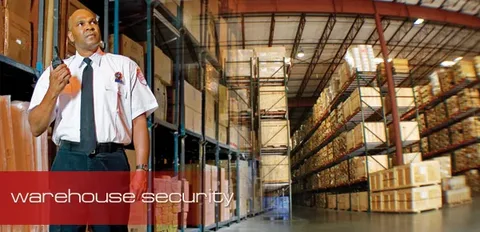
Warehouses have different security needs from ordinary offices or retail properties. Stay Alert Security Services works with commercial facilities where inventory, loading docks, delivery vehicles, employees, contractors, and multiple access points all need organized protection.
Businesses comparing warehouse security services should start by identifying when and where their facility faces the greatest risk. In Baltimore, MD, and Washington, D.C., warehouses may operate long hours while receiving regular deliveries and moving valuable goods between storage areas, docks, and vehicles. A practical security plan should match those daily operations instead of relying on one security measure.
What Warehouse Security Services Should Protect
Warehouse security should cover the entire property, not just the main entrance.
Loading docks deserve particular attention because drivers, vendors, employees, and goods regularly move through these areas. Secondary doors, fenced areas, employee parking lots, and storage sections can also become weak points when access is poorly controlled.
A security assessment should review:
- Main entrances and exits
- Loading docks
- Emergency doors
- Employee entrances
- Visitor access
- Parking areas
- Outdoor storage
- High-value inventory zones
- Perimeter gates
- Delivery vehicle activity
Security coverage should reflect the actual flow of people and inventory throughout the day.
How Warehouse Security Services Reduce Access Risks
Controlling access is one of the most important parts of warehouse protection.
Guards can verify visitors, direct delivery drivers, monitor employee entrances, and identify people entering restricted areas. Clear access procedures also make it easier to determine who was inside the facility when an incident occurred.
Large properties may need different rules for employees, contractors, delivery personnel, and visitors.
Businesses searching for warehouse security services in Baltimore, MD should ask how a provider handles access control rather than simply asking how many guards will be assigned.
Good security depends on procedures as much as personnel.
Static Guards vs. Mobile Patrols
Not every warehouse needs the same guard arrangement.
| Security Method | Best Use | Main Benefit |
| Entrance guard | Main access points | Visitor and employee control |
| Loading dock guard | Busy delivery areas | Monitors goods and vehicles |
| Mobile patrol | Large properties | Covers multiple areas |
| Overnight guard | Closed facilities | Watches after-hours activity |
| Camera monitoring | Key interior/exterior zones | Provides visual oversight |
A facility may benefit from several methods working together rather than depending on one guard station.
Loading Docks Need Special Attention
Loading docks are busy by design. Trucks arrive, doors remain open, products move quickly, and outside drivers regularly enter the property.
These conditions can create opportunities for unauthorized access or inventory loss.
Warehouse managers should create a clear process for:
- Driver check-in
- Trailer identification
- Delivery verification
- Dock assignments
- Visitor credentials
- Restricted-area access
- After-hours deliveries
A warehouse security guards company in Washington, D.C. should understand how to protect these areas without unnecessarily slowing normal shipping and receiving operations.
Common Warehouse Security Mistakes
One common mistake is concentrating security at the front entrance while leaving side doors, docks, or parking areas poorly monitored.
Another is assuming cameras alone will prevent every problem. Cameras provide useful visibility and documentation, but they cannot physically investigate every suspicious event.
Other common mistakes include:
- Leaving unused doors unsecured
- Allowing visitors to move without clear authorization
- Failing to track delivery vehicles
- Poor lighting around exterior areas
- Ignoring employee access procedures
- Keeping outdated access credentials active
- Failing to document incidents
- Using the same security plan for day and night shifts
Warehouse conditions change throughout the day, so security coverage may need to change with them.
Best Practices for Warehouse Security
Start with a site-specific risk assessment.
Walk through the facility during normal operations and after hours. A location that looks secure during the day may have poorly lit areas or unmonitored access points at night.
Create written procedures for guards. These instructions should explain responsibilities at entrances, loading docks, patrol routes, restricted areas, and emergencies.
Coordinate physical security with technology. Surveillance cameras, controlled entry systems, alarms, lighting, and guards can provide stronger coverage when they work together.
Incident reporting should also remain consistent. Security personnel should record unusual activity so managers can identify repeated problems or vulnerable locations.
Actionable Tips for Warehouse Managers
Before selecting security coverage, map the facility and mark every place where a person or vehicle can enter.
Then review:
- Which entrances operate after normal business hours?
- Where is high-value inventory stored?
- Which loading docks stay busiest?
- Are there areas cameras cannot clearly cover?
- Who needs access to restricted sections?
- When is the property least staffed?
- How are security incidents currently documented?
Businesses in Baltimore and Washington, D.C. should also consider how delivery schedules and changing shifts affect guard placement.
Review the security plan after operational changes. New storage areas, extended business hours, additional docks, or increased inventory can create risks that the original plan did not address.
Conclusion
Effective warehouse security services near me should protect more than a building’s front door. Loading docks, inventory areas, vehicles, employees, visitors, parking areas, and perimeter access all need to be considered when creating a complete security plan.
Stay Alert Security Services provides security options for commercial facilities in Baltimore and Washington, D.C. A combination of trained personnel, controlled access, patrols, clear procedures, surveillance, and consistent reporting can help warehouse managers maintain better awareness of activity throughout their property.
FAQs
1. What do warehouse security guards usually monitor?
Guards may monitor entrances, loading docks, parking areas, gates, restricted storage areas, employee access, visitors, and vehicle movement depending on the facility’s security plan.
2. Does a warehouse need security guards if it already has cameras?
Cameras provide valuable monitoring and recorded evidence, while guards can investigate suspicious activity and manage access in real time. Many facilities use both.
3. Should warehouses have security coverage overnight?
It depends on operating hours, inventory value, facility location, access points, and after-hours activity. Warehouses that close overnight may still require patrol or guard coverage.
4. How can security help reduce inventory loss?
Access control, patrols, visitor verification, loading dock monitoring, incident documentation, and surveillance can improve accountability around inventory movement.
5. What should I compare when choosing a warehouse security guards company?
Compare guard training, site assessment procedures, patrol plans, incident reporting, access-control practices, supervision, scheduling flexibility, and experience with warehouse environments.