
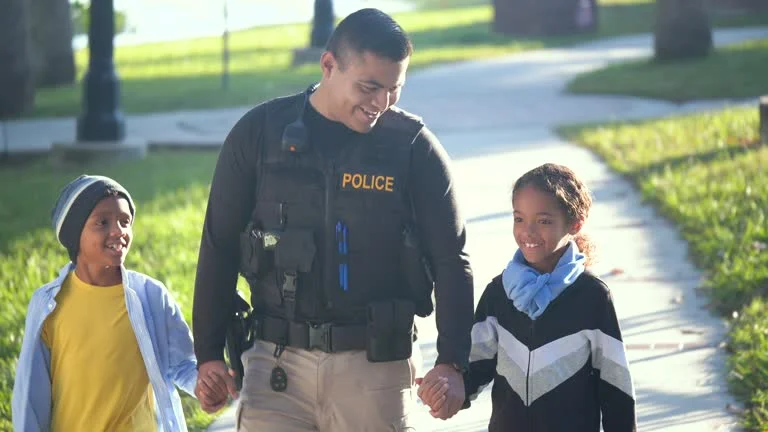
Trusted Community & Neighborhood Security in Greenbelt, MD
Protect residential communities with neighborhood security in Greenbelt, MD. Learn about patrols, access oversight, incident response, HOA planning, and safety.
Safe residential communities depend on more than cameras, gates, or signs. Effective protection requires trained personnel who can observe activity, maintain a visible presence, monitor entrances, respond to concerns, and communicate clearly with residents and property managers. Community and neighborhood security services are designed to support these needs without making everyday life feel unnecessarily restrictive.
Stay Alert Security Services provides residential security patrols and monitoring across Maryland communities.
A strong security plan begins with the layout of the property, resident routines, traffic patterns, vulnerable areas, and the concerns that management wants guards to prioritize.
What Community and Neighborhood Security Includes
Professional community and neighborhood security services should be tailored to how a residential property actually operates. A gated development may need entrance oversight and visitor monitoring, while a larger neighborhood may benefit more from mobile patrol coverage and scheduled checks of common areas.
Typical responsibilities can include:
- Monitoring entrances and exit points
- Conducting routine foot or vehicle patrols
- Observing parking areas and common spaces
- Responding to resident concerns
- Documenting unusual activity
- Supporting visitor and vendor procedures
- Monitoring amenity areas when assigned
- Reporting lighting, gate, or access issues
- De-escalating appropriate situations
- Communicating incidents to management
- Coordinating with emergency responders when necessary
- Maintaining a professional visible presence
The exact duties should be defined before service begins. Guards work more effectively when expectations, patrol routes, reporting procedures, escalation contacts, and site priorities are clearly documented.
Residential Security Patrols in Greenbelt, MD
Property managers looking for residential security patrols in Greenbelt, MD should begin by identifying where and when security concerns are most likely to occur. The Greenbelt service page confirms that Stay Alert Security Services provides protection for residential communities through monitoring, access oversight, and proactive patrol coverage.
Patrol planning should account for entrances, parking areas, walkways, shared amenities, mail locations, maintenance zones, and any areas with limited natural visibility. Coverage may also change by time of day because a property can have different needs during commuting hours, evenings, overnight periods, or special community events.
A patrol plan should be consistent enough to provide dependable coverage while avoiding routines that become completely predictable. Security personnel also need clear instructions about what requires immediate escalation and what should simply be documented for management review.
Why Visible Security Presence Matters
A trained guard provides something that passive systems cannot: active observation and immediate human judgment. Cameras can record events, but guards can notice developing situations, speak with residents, direct visitors, and respond when policies are being ignored.
Visible patrols can also discourage unwanted activity because people recognize that the property is being actively monitored. The goal is not to create an intimidating environment. Residential security should support a sense of order while allowing residents and guests to move comfortably through the community.
Professional conduct matters. Guards should remain attentive, approachable, and consistent when dealing with residents, vendors, delivery drivers, and visitors.
Access Oversight for Residential Communities
Access control is often one of the most important parts of community security. Gates, key systems, intercoms, visitor lists, and resident credentials can help manage entry, but the procedures around those systems must also be followed consistently.
Security personnel may be assigned to monitor entry points, verify authorized visitors, observe vehicle traffic, and report malfunctioning access equipment.
A clear visitor policy helps prevent confusion. Property managers should define how guests, contractors, delivery services, rideshare drivers, and emergency personnel are handled.
Guards should not invent rules while on duty. Written procedures create consistency and make it easier for residents to understand expectations.
HOA Security Planning Should Match the Property
HOA-managed communities vary greatly in size, layout, traffic, amenities, and resident expectations. A small townhome development may need different coverage from a large gated neighborhood with several entrances and shared facilities.
Before selecting security hours, management should review previous incidents, resident complaints, parking patterns, access problems, vandalism concerns, and locations where people frequently gather.
This information can help determine whether the community needs stationary guards, walking patrols, vehicle patrols, access monitoring, or a combination of services.
The most useful security plan focuses resources on real risks instead of copying a generic package used at another property.
Community Security Guards and Resident Interaction
Community security guards work in environments where they regularly interact with the same residents. That makes communication and professionalism especially important.
Guards should know how to remain courteous while still enforcing assigned procedures. A resident may be frustrated about parking, access, noise, or guest policies, but the guard should respond calmly and document concerns when appropriate.
De-escalation can help prevent minor disagreements from becoming larger incidents. Security personnel should also understand when a situation is beyond their role and requires management, law enforcement, medical responders, or another authority.
Strong resident relationships do not mean ignoring policies. They mean applying procedures consistently while treating people respectfully.
Neighborhood Security Services in Ellicott City, MD
Communities considering neighborhood security services in Ellicott City, MD can use structured patrols and entry monitoring to support safer daily operations. The Ellicott City page confirms that Stay Alert Security Services provides trained armed and unarmed security guards for residential communities, with structured patrol coverage, entry monitoring, and proactive response.
A practical plan should identify the areas that need frequent observation and the situations guards may encounter. Large residential properties may require mobile patrol security so personnel can cover parking lots, perimeter roads, clubhouse areas, and multiple buildings efficiently.
Management should also establish communication procedures. Guards need reliable contacts for maintenance issues, resident concerns, emergencies, and policy questions so incidents can be handled without unnecessary delay.
Mobile Patrol Security for Larger Properties
Mobile patrol security can be useful when a community covers a wide area that would be difficult to monitor on foot alone. A vehicle allows guards to move between entrances, parking zones, perimeter areas, and shared facilities more efficiently.
Patrol routes should still include opportunities for closer observation. Driving through a property without stopping may miss issues that are easier to notice on foot.
Managers can define priority checkpoints and areas that require more frequent attention. Patrol logs can then help show which locations were checked and whether unusual conditions were observed.
Mobile patrols work best when they support, rather than replace, clear reporting and communication procedures.
Parking Areas Need Consistent Monitoring
Parking lots and garages are common areas where communities may experience unauthorized vehicles, property damage, loitering, disputes, or access concerns.
Security guards can observe these areas during routine patrols and document activity that appears inconsistent with community policies. They may also identify lighting failures, damaged gates, blocked fire lanes, or other conditions that should be reported to management.
The exact parking enforcement role should be clearly defined. Security personnel should know whether they are expected to issue notices, contact management, document violations, or simply monitor conditions.
Clear responsibility reduces conflict and prevents guards from taking actions that are outside the approved scope.
Incident Documentation Supports Better Decisions
Good security is not only about responding in the moment. Accurate reports help property managers understand patterns over time.
Incident documentation may include the date, time, location, people involved, observations, actions taken, and whether another authority was contacted. Reports should focus on factual information rather than assumptions.
Consistent documentation can reveal repeated problems at the same entrance, parking area, building, or time of day. Management can then adjust patrols, lighting, access procedures, or other property measures.
This information can also help during follow-up conversations with residents or vendors because decisions are based on recorded events rather than memory alone.
Security and Crime Deterrence Services
Crime deterrence services rely on visibility, consistency, controlled access, observation, and timely response. No security company can guarantee that an incident will never occur, but professional coverage can reduce opportunities for unwanted activity and improve how quickly concerns are recognized.
Lighting, cameras, gates, locks, landscaping, and resident awareness can support guard services. Security works best as a layered system rather than depending on one measure.
Property managers should periodically review whether current procedures still match the community. Changes in occupancy, construction, nearby development, traffic flow, or recurring incidents may justify adjustments to the security plan.
Communication Between Guards and Property Management
Security personnel need clear management contacts. Without reliable communication, even well-trained guards can struggle to resolve access problems, resident disputes, maintenance concerns, or questions about community policies.
Property managers should provide updated phone numbers, emergency contacts, vendor information, and instructions for after-hours escalation.
Regular reviews can also improve service. Managers can discuss incident trends, resident feedback, patrol priorities, and any changes in the property.
Security plans should not remain unchanged simply because the original schedule worked when service started. Communities evolve, and coverage should be reviewed as needs change.
Common Neighborhood Security Planning Mistakes
One common mistake is hiring guards without defining their responsibilities. Vague instructions can lead to inconsistent patrols, unclear reporting, and confusion when incidents occur.
Another mistake is focusing only on entrances while ignoring parking areas, pedestrian paths, amenities, and perimeter zones.
Management should also avoid creating complicated visitor procedures that residents and guards cannot follow consistently.
Security should not rely entirely on predictable patrol times. Flexible observation and management-directed priorities can help maintain effective coverage.
Finally, communities should avoid treating guards as substitutes for maintenance, law enforcement, emergency medical services, or property management. Each role has different responsibilities.
Questions to Ask Before Hiring Community Security
Useful questions include:
- What type of residential properties do you protect?
- Are armed and unarmed guards available?
- How are patrol routes developed?
- Can vehicle patrols be included?
- How are incidents documented?
- What access procedures can guards support?
- How are resident complaints handled?
- What happens during an emergency?
- Can coverage hours be customized?
- How is guard performance supervised?
- How are changes in priorities communicated?
- Can the plan be adjusted after service begins?
Clear answers help management compare security providers based on operations, not only hourly coverage.
Conclusion
Community and neighborhood security services can help residential properties maintain a more organized, visible, and responsive approach to safety. Effective coverage combines patrols, access oversight, resident communication, incident documentation, clear escalation procedures, and a security plan designed around the actual property.
Stay Alert Security Services provides residential community guards and neighborhood patrol coverage in Greenbelt, Ellicott City, and other Maryland communities. Its service supports gated neighborhoods, apartment and condominium complexes, HOA-managed developments, and shared residential properties.
The strongest results come from defining responsibilities before guards arrive, reviewing risk areas, maintaining reliable communication, and adjusting patrol priorities when community conditions change.
Security cannot eliminate every possibility of unwanted activity, but professional observation and consistent procedures can strengthen deterrence, improve response, and give property managers better information for ongoing safety decisions.
Frequently Asked Questions
What do community security guards do?
Community security guards may monitor entrances, patrol common areas, observe parking zones, respond to resident concerns, document incidents, support visitor procedures, and report security or property issues to management.
Are neighborhood security patrols available overnight?
Coverage schedules can be customized based on property needs. Communities may choose daytime, evening, overnight, or continuous coverage depending on traffic patterns, previous incidents, and management priorities.
Can security guards monitor gated community entrances?
Yes. Guards can support access oversight by monitoring entry points, following visitor procedures, observing vehicle traffic, and reporting problems with gates or other access systems.
Are mobile patrols useful for residential communities?
Yes. Mobile patrols can help security personnel cover larger neighborhoods, parking areas, perimeter roads, and multiple buildings efficiently while maintaining visible security presence across the property.
Should an HOA choose armed or unarmed security guards?
The appropriate option depends on the community’s risk assessment, property conditions, expected duties, and management preferences. The decision should be made around actual security needs rather than appearance alone.
How can property managers improve neighborhood security?
Managers can define guard responsibilities, improve lighting and access procedures, review incident reports, communicate with residents, identify recurring risk areas, and adjust patrol schedules as community conditions change.